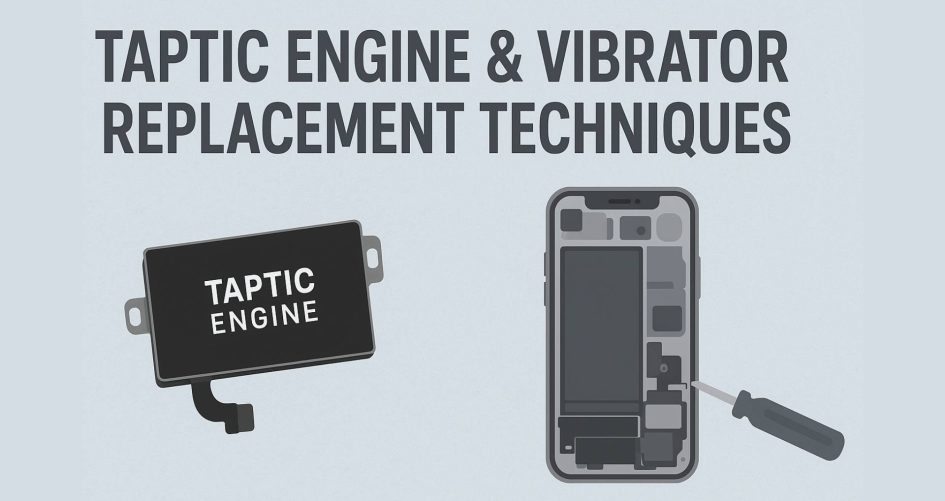
Vibration feedback has become an essential part of user experience on modern smartphones. Whether it’s the gentle buzz from an Android device or the precise haptic response of an iPhone, tactile feedback connects the user to the device intuitively. When refurbishing smartphones, replacing a damaged vibrator motor phone component, restoring a broken Taptic Engine iPhone, or performing a general mobile feedback repair is critical to delivering a high-quality, functional product to the end customer.
In this guide, we’ll walk you through everything you need to know about testing, diagnosing, and replacing tactile feedback components to ensure every device you refurbish meets or exceeds performance expectations. Know more.
📱 Why Mobile Feedback Matters in Refurbishment
Mobile feedback repair isn’t just a cosmetic upgrade. It’s a vital part of the phone’s usability and quality assurance. A working vibrator motor phone mechanism:
- Provides silent alerts
- Enhances typing with haptic feedback
- Offers immersion in games and apps
- Signals incoming calls or notifications for accessibility users
In iPhones, the Taptic Engine iPhone is more advanced. It provides linear vibration responses that simulate mechanical button clicks, scrolling resistance, and more. Restoring or replacing these components ensures customers receive a device that feels just like new.
What Is a Vibrator Motor Phone Component?
The vibrator motor phone is a small electro-mechanical unit responsible for generating vibration signals inside the device. There are different types:
Types of Vibrators in Android Devices:
| Type | Features |
| Eccentric Rotating Mass (ERM) | Most common in budget and mid-range Android phones |
| Linear Resonant Actuator (LRA) | More refined, used in premium phones |
| Coin Motors | Compact and circular, often found in wearables and slim phones |
Understanding the type is essential before attempting a mobile feedback repair.
🍎 Understanding the Taptic Engine in iPhones
Apple introduced the Taptic Engine iPhone in 2015 with the iPhone 6s, redefining how users interact with their device. Unlike typical motors, the Taptic Engine iPhone uses linear motion to deliver more accurate and responsive vibrations.
Key Advantages:
- Fast response time
- Precise pressure simulation
- Energy-efficient compared to traditional motors
This component is essential in iPhones with Face ID, 3D Touch, or Haptic Touch. If it fails, it significantly reduces user satisfaction.
🚨 Signs of Vibration System Failure
Whether you’re handling Android or iOS devices, the following signs may indicate a need for vibrator motor phone or Taptic Engine iPhone replacement:
- No vibration in Silent mode
- Intermittent or weak buzzing
- Clicking noise without physical feedback
- Physical damage around the motor area
- Vibration not working in diagnostic test mode
🔍 Testing and Diagnosis
Before jumping into replacement, proper testing is essential.
Use These Diagnostic Methods:
| Platform | Tool or Code |
| Android | #0# test mode, Vibration App, Multimeter |
| iPhone | Settings → Accessibility → Touch → Vibration, AssistiveTouch test |
| Both | Physical inspection and voltage reading |
These tools will help confirm the issue lies in the vibrator motor phone or Taptic Engine iPhone, not the software.
🛠️ Taptic Engine & Vibrator Replacement Techniques
Safety First:
- Power off the device
- Disconnect the battery
- Work on an ESD-safe mat
Step-by-Step for Android:
- Remove back cover and unscrew midframe.
- Locate the vibrator motor phone near the bottom board.
- Desolder or unclip the motor depending on model.
- Clean the area, install a new motor.
- Reassemble and test.
Step-by-Step for iPhone:
- Heat and remove the screen using suction.
- Disconnect Face ID and battery flex.
- Locate the Taptic Engine iPhone—typically on the bottom left.
- Unscrew and lift the engine.
- Install new component, reassemble, and test.
Always reapply adhesive and ensure seals are intact for water resistance.
🧰 Best Tools for Mobile Feedback Repair
| Tool | Use |
| Precision screwdriver set | Opens devices without damage |
| ESD tweezers | Safe handling of flex cables |
| Suction cup + pry tool | Safely lifts screens |
| Soldering iron/microsoldering kit | For advanced mobile feedback repair |
| Multimeter | Checks continuity and voltage to the motor |
| Heat gun or pad | Loosens adhesive gently |
Having the right tools dramatically increases success and reduces rework time.
❌ Common Mistakes Refurbishers Make
- Installing incompatible parts (wrong size or type of vibrator motor phone)
- Forgetting to test new component before reassembly
- Damaging flex cable while removing midframe
- Using aftermarket parts with low vibration strength
- Not securing the motor, leading to internal rattling
Avoiding these errors will increase your success rate and customer satisfaction.
📦 Where to Buy Quality Parts
Choose reputable suppliers that carry:
- OEM vibrator motor phone units
- Grade A refurbished Taptic Engine iPhone components
- Consistent supply of QC-tested parts
- Return and warranty policies
Reliable vendors for mobile refurb parts include:
- MobileSentrix
- InjuredGadgets
- iFixit Pro Suppliers
- WholesaleGSMParts
Matching the quality of your mobile feedback repair components with the rest of your parts list helps deliver a cohesive result.
✅ Post-Repair Testing
After replacement:
- Use vibration diagnostic apps or test codes again.
- Test system-wide feedback (notifications, silent mode, keyboard).
- Grade performance as part of your final QA process.
Document the replacement in your CRM or repair log for warranty and traceability.
🧑🔧 Best Practices for Feedback Repair Pros
- Create checklists for each phone model’s repair sequence.
- Always clean the work area before starting.
- Keep repair logs and test reports.
- Label devices with “Feedback OK” after successful mobile feedback repair.
This not only increases efficiency but also supports better reporting and accountability.
❓ FAQs
1. How do I know if my vibrator motor phone is broken?
If your device doesn’t vibrate in silent mode or during calls, test it using diagnostic apps or codes. No feedback or weak vibration suggests failure.
2. Can I fix the Taptic Engine iPhone at home?
Yes, but it requires precision tools and experience. Mistakes can lead to Face ID damage or screen malfunction.
3. What is the safest way to perform mobile feedback repair?
Use ESD-safe tools, proper disassembly procedures, and always disconnect power before starting.
4. How long do these components last?
OEM vibrator motor phone parts and Taptic Engine iPhone units typically last several years with normal use.
5. What tools are best for testing?
Multimeters, diagnostics apps, Apple’s AssistiveTouch settings, and Android service codes provide reliable testing options.
6. OEM or aftermarket components?
OEM preferred for consistency. However, high-grade aftermarket components may suffice if tested and quality-verified.
✅ Conclusion
Performing a professional mobile feedback repair involves more than just replacing a buzzing part—it requires precision, diagnosis, proper tools, and quality sourcing. Whether you’re replacing a vibrator motor phone or restoring the Taptic Engine iPhone, your techniques directly affect customer experience and product quality.
With a careful process, trained technicians, and authentic components, every refurbished phone can leave your lab feeling factory-fresh. Know more.