The increasing demand for high-quality refurbishing services has made procedures like the iPhone 14 glass laser removal process essential. Professionals in mobile repair and refurbishment must understand the right housing removal tool and strategies for a seamless mobile back cover fix. With Apple making back glass replacement more complicated in newer models, knowing the safest and most efficient removal techniques can define your reputation and profitability. This article explores the cutting-edge tools, techniques, and safety tips needed to master iPhone 14 Series glass removal. Know more.
Why Back Glass Repair is a Game-Changer in Refurbishment
The iPhone 14 series continues Apple’s trend of integrating the back glass tightly with the housing frame. While this design looks sleek and improves durability, it poses a challenge for technicians. Traditional heating methods are not only time-consuming but also risky due to the potential damage to internal components. This is where the iPhone 14 glass laser method shines.
Unlike older iPhone models, the iPhone 14 Series requires high-precision tools to perform a mobile back cover fix without compromising the internal layout. Apple’s design also utilizes strong adhesives, making manual removal nearly impossible without a quality housing removal tool.
Understanding iPhone 14 Series Back Glass Construction
Before diving into the removal process, it’s crucial to understand how the iPhone 14 is built:
- Integrated Glass Panel: The back glass is bonded with industrial-strength adhesive, resistant to heat and solvents.
- Sensitive Components Below: Wireless charging coils, logic boards, and battery components lie dangerously close to the glass.
- No Modular Assembly: Unlike older iPhones, the iPhone 14 glass is not modular, making replacements more complex.
This structural complexity is why using a high-powered iPhone 14 glass laser machine has become the industry standard for safe and efficient removal.
Laser Machines: The Smart Way to Perform a Mobile Back Cover Fix
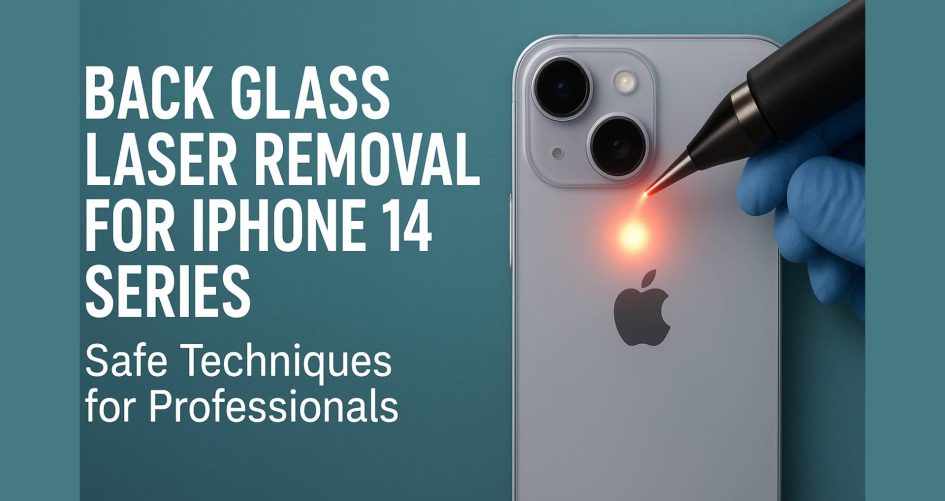
Laser machines designed for phone repair focus on safely melting the adhesive underneath the back glass. These machines project a concentrated laser beam in pre-set patterns over the back housing, loosening the glue without heating the internal components.
Benefits of Using an iPhone 14 Glass Laser Machine
- Precision: Targets only the adhesive layer.
- Speed: Removes back glass in under 5 minutes.
- No Damage Risk: Protects internal hardware from excessive heat.
- Repeatability: Great for wholesale refurbishers needing consistent results.
With the right setup, an iPhone 14 glass laser solution enables technicians to complete more jobs in less time, boosting operational efficiency.
Choosing the Right Housing Removal Tool for iPhone 14 Series
The laser machine is only one piece of the puzzle. You’ll need a full suite of housing removal tools for a clean and safe finish.
Essential Tools Include:
- Laser Separation Machine: Core tool for glass adhesive weakening.
- Precision Razor Blades: For lifting edges post-laser application.
- Suction Cup Lifter: Helps in pulling the glass without putting pressure on internal parts.
- Pry Tools: Plastic and metal variants to gently separate layers.
- ESD Tweezers: For handling delicate fragments.
Choosing tools specifically rated for iPhone 14 mobile back cover fix will minimize damage and improve job success rates.
Step-by-Step Process: Back Glass Laser Removal for iPhone 14
Let’s walk through the professional approach to performing a safe, effective back glass removal:
Step 1: Prepping the iPhone
- Power off the phone.
- Remove the SIM tray and any protective casing.
- Place the device in a laser-safe working area with proper ESD grounding.
Step 2: Using the iPhone 14 Glass Laser Machine
- Choose the appropriate laser engraving template for iPhone 14.
- Align the device on the laser machine platform.
- Activate the laser — typically set to 3-5 rounds, depending on glue strength.
✅ Tip: Always test the laser calibration on a damaged device first.
Step 3: Manual Separation Using Housing Removal Tools
- Once the adhesive is weakened, use a thin razor blade to lift the glass edge.
- Use the suction cup to lift gradually while guiding with plastic pry tools.
- Be cautious around the wireless charging module and camera housing.
Step 4: Debris Cleanup and Polishing
- Remove all residual adhesive.
- Use alcohol wipes and a heat gun (set at low temperature) to clean surfaces.
- Polish with anti-static cloth.
Step 5: Installing New Back Glass
- Apply new industrial adhesive or use pre-cut back glass frames.
- Align and press gently.
- Cure with UV light for 5–10 minutes for optimal bonding.
Common Mistakes and How to Avoid Them
❌ Using Manual Heat Guns Alone
Without an iPhone 14 glass laser, manual heating can warp internal components or damage the battery.
❌ Improper Tool Selection
Using non-professional tools instead of certified housing removal tools can lead to micro-cracks or alignment issues.
❌ Skipping ESD Protection
Not grounding yourself or your workspace can fry internal circuits due to static electricity.
❌ Not Removing All Adhesive
Incomplete cleaning can prevent the new back glass from adhering properly, causing rework and customer dissatisfaction.
Is Laser Glass Removal Safe for Every Model?
While the iPhone 14 glass laser method is the preferred standard, different iPhone models (14, 14 Plus, 14 Pro, and 14 Pro Max) may have minor variations in frame alignment and adhesive layout. Always verify your machine template database includes each variant for maximum precision.
For non-iPhone 14 models, such as the iPhone 12 or 13 series, this method is still effective but may require different power or pattern settings. On newer models like iPhone 15 and 16, Apple has increased the modularity, making future repairs easier — but housing removal tools are still essential.
Safety Tips for Laser and Mobile Back Cover Fix Operations
- Always Wear Eye Protection: Laser machines pose eye injury risks.
- Ventilate Properly: Burnt adhesives can emit toxic fumes — use exhaust fans or fume extractors.
- Train Your Team: Untrained use of a laser machine can ruin a batch of devices in minutes.
- Do Not Rush: Even if you’re in a high-volume refurbishing environment, accuracy is more important than speed.
Scaling Refurbishment Operations for Wholesale Success
For wholesale refurbishment centers, mastering the iPhone 14 glass laser technique will unlock faster turnarounds, better profit margins, and a competitive edge in quality.
Make sure your facility:
- Invests in the right machines
- Trains technicians on proper tool usage
- Implements QC checks after each mobile back cover fix
As back glass repair becomes a regular refurbishing service, especially for iPhone 14 and newer, the demand for skilled operations and reliable housing removal tools will only increase.
Conclusion: Elevate Your Refurbishing Game
The iPhone 14 glass laser method is no longer optional — it’s a critical investment for mobile refurbishment businesses looking to serve a high-end clientele. Combined with professional housing removal tools and a refined approach to every mobile back cover fix, you can ensure both safety and efficiency.
Whether you’re running a local repair shop or an international refurbished mobile wholesale platform, staying on top of laser removal technology is the key to scaling with confidence. Invest wisely, train thoroughly, and build your business around quality that’s impossible to ignore.
Ready to source professional iPhone refurbishment tools or devices in bulk? Contact us today for wholesale pricing and guidance on how to build your back glass repair workflow with ease. Know more.