In today’s booming refurbished phone industry, the quality and longevity of batteries play a central role in maintaining device value and customer trust. Whether you’re a refurbisher, reseller, or supplier, understanding phone battery life, navigating the lithium battery wholesale market, and applying practical battery QC tips is vital for business success.
This guide uncovers essential information about Li-ion battery lifespan for B2B clients, especially those dealing in refurbished smartphones. We’ll explore lifespan indicators, bulk battery sourcing, and quality control measures that ensure consistent performance across your inventory. Know more.
🔋 The Science Behind Li-ion Phone Battery Life
Understanding Li-ion Chemistry
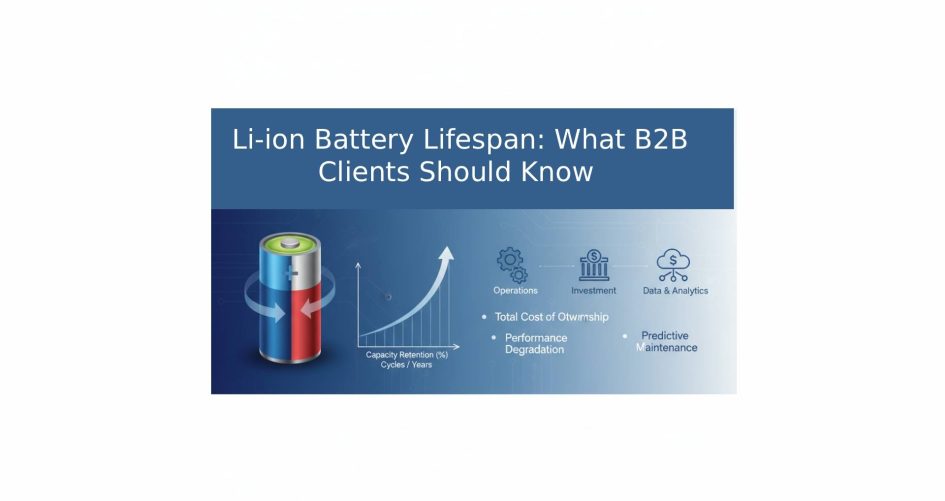
Lithium-ion batteries dominate today’s smartphones due to their high energy density, light weight, and recharge capabilities. Each charge-discharge cycle slightly degrades the battery, and most mobile Li-ion batteries are rated for 300–500 full charge cycles.
What Affects Battery Lifespan?
Several factors influence phone battery life, including:
- Charging habits (fast charging, overcharging)
- Temperature exposure (heat kills capacity)
- Discharge depth (deep discharge = faster aging)
- Usage patterns (gaming, multitasking, video streaming)
For B2B resellers, knowing these patterns helps evaluate the wear level of used batteries during procurement.
📊 Key Lifespan Metrics for B2B Buyers
1. Battery Health Percentage
Refers to the maximum capacity relative to a new battery. Below 80% is usually considered degraded.
2. Cycle Count
Each cycle is one full charge/discharge. A refurbished battery should ideally have < 300 cycles.
3. Voltage and Current Ratings
Monitoring voltage during testing reveals potential issues like swelling or sudden drops.
These metrics are cornerstones in any reliable battery QC tips checklist.
💼 Lithium Battery Wholesale: B2B Sourcing Essentials
The lithium battery wholesale segment is growing rapidly alongside refurbished devices. Bulk buyers must partner with reputable vendors that meet safety, performance, and compliance standards.
📦 Types of Batteries in Wholesale Supply
| Type | Application | Lifespan |
| OEM Li-ion (Original) | Flagship devices | 2–3 years |
| Aftermarket High-Capacity | Budget or entry-level refurb | 1–2 years |
| Reconditioned Batteries | Low-cost refurbished handsets | 6–12 months |
Choosing the right battery type for your device tier ensures the best phone battery life for end-users.
🔎 Battery QC Tips: Inspection Before Distribution
When batteries arrive at your warehouse, rigorous quality checks are essential to ensure safety and customer satisfaction.
📋 Must-Perform Battery QC Tips:
- Capacity Verification: Use testers like AVHzY CT-3 or USB meters.
- Swelling Inspection: Visually inspect for puffiness — a sign of gas buildup or failure.
- Connector & Label Check: Confirm alignment and authenticity markings.
- Temperature Testing: Simulate 40–50°C charging conditions for safe tolerance.
- Voltage Consistency: Ideal resting voltage should be between 3.7V–4.2V.
Following these battery QC tips not only ensures safety but builds long-term trust in your B2B relationships.
🚫 Avoiding Common Battery Pitfalls in B2B Operations
Mistake 1: Ignoring Battery Health During Refurb
Replacing perfectly good batteries or skipping those needing replacement affects customer satisfaction and device return rates.
Mistake 2: Low-Quality Aftermarket Batteries
Ultra-cheap cells can lead to poor phone battery life, swelling, or even safety recalls.
Mistake 3: No Temperature Control in Storage
Improper storage (especially in high humidity or heat) rapidly degrades batteries before they even reach devices.
⚙️ Tools & Tech for Better Battery Testing
1. Battery Analyzers
Pro devices like the Cadex C7400 let you test 4 batteries simultaneously for performance, resistance, and charge acceptance.
2. Software-Based Testing
Apps such as AccuBattery or Samsung Members allow basic phone battery life estimates for consumer-grade QC.
3. AI-Powered Platforms
Some OEMs are rolling out AI-based diagnostics that predict battery health and auto-flag defective units during refurbishment.
📈 How Battery Quality Impacts Wholesale Returns & Trust
Did you know that 65% of returns in the refurbished phone market relate to poor battery performance?
Why Battery Quality Drives Reputation:
- Long-lasting batteries lead to higher resale value.
- Better end-user experience = fewer complaints or refunds.
- Quality assurance boosts client retention in B2B chains.
🌍 Sustainability & Recycling in the Lithium Battery Wholesale Supply
B2B wholesalers should also factor in environmental practices when dealing with lithium battery wholesale.
Recycling Best Practices:
- Partner with e-waste certified recyclers
- Separate batteries with swelling or thermal damage
- Avoid reselling Grade C batteries in safety-sensitive markets
🛠 Refurbishing Standards for Phone Battery Life
Replace If:
- Health is < 80%
- Cycle count > 400
- Voltage anomalies detected
- Battery shows visual damage
Re-use If:
- Battery passes QC with health > 85%
- Charge retention test is consistent
- No heating or swelling during test
These are critical battery QC tips for any refurbisher aiming to scale operations and build long-term wholesale trust.
📦 Logistics: Handling and Shipping Li-ion Batteries Safely
Shipping Li-ion batteries involves strict compliance with regulations:
- UN3480/81 Labels for shipping standalone or in-device batteries
- Class 9 packaging required for air freight
- Use anti-static wraps and fireproof pouches in bulk packaging
Improper handling can result in customs delays or bans, affecting supply chain integrity.
🔄 Return Policies and Battery Replacement Programs
Your B2B contract should include:
- Battery warranty clauses (6 to 12 months)
- Replacement procedures for faulty batches
- Grading consistency across shipments
B2B buyers trust wholesalers who are transparent and responsive when it comes to battery performance issues.
📣 Future of Lithium Battery Wholesale and Phone Battery Life
With solid-state batteries on the horizon, the landscape is changing. For now, focus on:
- Sourcing smarter: From reputable bulk suppliers
- Testing better: With automation and detailed QC
- Recycling responsibly: To lower environmental impact
🙋 Frequently Asked Questions (FAQs)
1. What is the average lifespan of a Li-ion phone battery?
Around 2–3 years or 300–500 full charge cycles, after which phone battery life degrades significantly.
2. How do I choose the right lithium battery wholesale supplier?
Look for ISO-certified suppliers, transparency on battery grades, and return/replacement guarantees.
3. What’s the best QC method for refurbished phone batteries?
Use capacity testers, voltage checks, and cycle count tools — essential battery QC tips to avoid faulty units.
4. Can I reuse phone batteries in refurbished phones?
Yes, if they meet quality benchmarks (health > 85%, no swelling, and voltage stability).
5. How do I store lithium batteries in bulk safely?
Keep in cool, dry environments. Avoid heat, direct sunlight, and ensure fire-proof packaging.
6. What regulations affect shipping lithium batteries?
UN3480/UN3481, IATA, and DOT guidelines apply. Always follow local and international shipping rules.
✅ Conclusion
In the dynamic world of refurbished smartphones, the quality and longevity of Li-ion batteries make or break your B2B success. Mastering phone battery life diagnostics, choosing top-tier lithium battery wholesale sources, and implementing tried-and-true battery QC tips ensure your business stays ahead of competition, avoids costly returns, and builds a sustainable, trustworthy brand.